|
|||||||||||||||||||||||||||||||||||||||||||||||||||||||||||||||||||||||||||||
|
Lower North Shore · The Campaign
When to Hold Firm —
|
|||||||||||||||||||||||||||||||||||||||||||||||||||||||||||||||||||||||||||||
| Last week, we discussed why the first two weeks count. This week comes the harder question: what should you do with the evidence they produce? | |||||||||||||||||||||||||||||||||||||||||||||||||||||||||||||||||||||||||||||
| Every campaign reaches a decision point: hold your position and give the strategy more time, or accept that the market is sending a message and change course. The answer should never depend on impatience, pride or how much you hoped the property would achieve. It should depend on evidence. | |||||||||||||||||||||||||||||||||||||||||||||||||||||||||||||||||||||||||||||
|
Patience or Denial?
| |||||||||||||||||||||||||||||||||||||||||||||||||||||||||||||||||||||||||||||
| There is an important difference between holding firm and refusing to listen. Holding firm is justified when qualified buyers are engaging, due diligence is progressing and the evidence still supports your position. | |||||||||||||||||||||||||||||||||||||||||||||||||||||||||||||||||||||||||||||
| Denial is when the same warning signs appear week after week, but nothing changes because the seller or agent dislikes what the market is saying. Changing course is not necessarily an admission that the campaign has failed. Sometimes it is the decision that prevents it from failing. | |||||||||||||||||||||||||||||||||||||||||||||||||||||||||||||||||||||||||||||
|
|||||||||||||||||||||||||||||||||||||||||||||||||||||||||||||||||||||||||||||
|
Hold Firm When
| |||||||||||||||||||||||||||||||||||||||||||||||||||||||||||||||||||||||||||||
|
|||||||||||||||||||||||||||||||||||||||||||||||||||||||||||||||||||||||||||||
| Premium homes often have narrower buyer pools. A smaller turnout does not necessarily indicate a weak campaign if the right buyers are engaging seriously. The question is not how many people came through — it is whether anyone is moving closer to making a decision. | |||||||||||||||||||||||||||||||||||||||||||||||||||||||||||||||||||||||||||||
|
Change Course When
| |||||||||||||||||||||||||||||||||||||||||||||||||||||||||||||||||||||||||||||
|
|||||||||||||||||||||||||||||||||||||||||||||||||||||||||||||||||||||||||||||
| One quiet inspection is not enough evidence. Repeated buyer behaviour, however, should not be explained away. When separate qualified buyers reach the same conclusion without speaking to one another, the market is telling you something. | |||||||||||||||||||||||||||||||||||||||||||||||||||||||||||||||||||||||||||||
|
Before Cutting the Price, Check Everything Else
| |||||||||||||||||||||||||||||||||||||||||||||||||||||||||||||||||||||||||||||
| Price is important, but it is not the only lever available. Before recommending an adjustment, examine the entire campaign: | |||||||||||||||||||||||||||||||||||||||||||||||||||||||||||||||||||||||||||||
|
|||||||||||||||||||||||||||||||||||||||||||||||||||||||||||||||||||||||||||||
| A change in photography, positioning, presentation, access or buyer communication can sometimes revive a campaign. But when the evidence points consistently to price, changing everything except the price merely postpones the conversation. | |||||||||||||||||||||||||||||||||||||||||||||||||||||||||||||||||||||||||||||
|
If You Change, Change With Purpose
| |||||||||||||||||||||||||||||||||||||||||||||||||||||||||||||||||||||||||||||
| One decisive adjustment is usually more effective than a series of small reductions. Repeated changes can make buyers believe the seller is chasing the market down. Instead of creating urgency, they encourage buyers to wait for the next reduction. | |||||||||||||||||||||||||||||||||||||||||||||||||||||||||||||||||||||||||||||
| Any change should have a clear purpose: reach a new buyer group, generate renewed enquiry, reposition the home against its competition, establish a credible deadline or bring hesitant buyers back into the conversation. The agent should be able to explain what the change is intended to achieve and how its success will be measured. Otherwise, it is movement without strategy. | |||||||||||||||||||||||||||||||||||||||||||||||||||||||||||||||||||||||||||||
|
What to Expect at the Review
| |||||||||||||||||||||||||||||||||||||||||||||||||||||||||||||||||||||||||||||
| A good agent should not recommend holding firm because it is the easier conversation — or recommend a reduction simply because it makes the property easier to sell. Their responsibility is to present the evidence: inspection activity, qualified feedback, comparable sales, competing listings and days-on-market trends. | |||||||||||||||||||||||||||||||||||||||||||||||||||||||||||||||||||||||||||||
| They must then recommend the course most likely to protect your result. That requires judgement to distinguish temporary resistance from genuine rejection — and courage to tell the seller the truth before time removes their remaining leverage. | |||||||||||||||||||||||||||||||||||||||||||||||||||||||||||||||||||||||||||||
|
David’s Take
| |||||||||||||||||||||||||||||||||||||||||||||||||||||||||||||||||||||||||||||
| The best time to decide when you might change course is before the campaign begins. Agree on what success should look like, which indicators will be measured, what would justify holding firm and what would trigger a review. That prevents one disappointing open home from creating panic — and prevents six weeks of poor evidence from being dismissed as bad luck. | |||||||||||||||||||||||||||||||||||||||||||||||||||||||||||||||||||||||||||||
| When the evidence does call for change, act decisively. Three mistakes commonly weaken a seller’s position: | |||||||||||||||||||||||||||||||||||||||||||||||||||||||||||||||||||||||||||||
|
|||||||||||||||||||||||||||||||||||||||||||||||||||||||||||||||||||||||||||||
| I will hold a position strongly when the evidence supports it. But I will not defend a strategy simply because it was the strategy we started with. | |||||||||||||||||||||||||||||||||||||||||||||||||||||||||||||||||||||||||||||
|
|||||||||||||||||||||||||||||||||||||||||||||||||||||||||||||||||||||||||||||
| The market does not punish sellers for changing course. It punishes them for recognising the need too late — or changing without a clear purpose. | |||||||||||||||||||||||||||||||||||||||||||||||||||||||||||||||||||||||||||||
| If you are considering your options and would like a campaign strategy with clear measures and decision points established before launch, reply HOLD and I will send you the Team Howe Campaign Decision Framework. | |||||||||||||||||||||||||||||||||||||||||||||||||||||||||||||||||||||||||||||
| Next week: “The Price Adjustment” | |||||||||||||||||||||||||||||||||||||||||||||||||||||||||||||||||||||||||||||
|
The Lower North Shore at a Glance
| |||||||||||||||||||||||||||||||||||||||||||||||||||||||||||||||||||||||||||||
|
|||||||||||||||||||||||||||||||||||||||||||||||||||||||||||||||||||||||||||||
|
Key Observations
| |||||||||||||||||||||||||||||||||||||||||||||||||||||||||||||||||||||||||||||
| Supply. There are 233 houses on the market, down 12 this week. New listings remain light, and the expected spring surge has not arrived. Buyers have choice, but stock is not flooding the market. | |||||||||||||||||||||||||||||||||||||||||||||||||||||||||||||||||||||||||||||
| Price gap. The median asking price is $3.965 million — just a tad above the $3.85 million median buyers are paying. Some 84 listings are priced above $5 million, while most transactions are occurring between $3 million and $5 million. | |||||||||||||||||||||||||||||||||||||||||||||||||||||||||||||||||||||||||||||
| Stale stock. The median days on market has reached 61 — more than double the 30 days taken by homes that sell. Around 43% of current listings have been available for at least 90 days. At $10 million-plus, the median is 159 days. The pattern is clear: realistically priced homes sell in about a month. The rest wait for a correction that should have occurred earlier. | |||||||||||||||||||||||||||||||||||||||||||||||||||||||||||||||||||||||||||||
| Auction calendar. Approximately 55 auctions are scheduled across 10 and 17 October — more than half of the five-week pipeline. Those two Saturdays will test spring confidence. Sydney’s clearance rate is 51%, compared with 70% a year ago. Locally, price reductions still outnumbered increases by 22 to eight, while ten auctions passed in or were withdrawn. | |||||||||||||||||||||||||||||||||||||||||||||||||||||||||||||||||||||||||||||
| How homes sell. Auction is the chosen method for approximately 68% of listings, yet only 16% of sales occur under the hammer. Around 40% sell before auction and 29% afterwards. The auction date works primarily as a deadline that forces decisions — not necessarily as the day the property sells. | |||||||||||||||||||||||||||||||||||||||||||||||||||||||||||||||||||||||||||||
| Sell-through. Of the 1,063 homes listed this year, 61.9% have sold and 16.2% have been withdrawn. Naremburn, Willoughby, Neutral Bay and Cremorne have recorded the strongest absorption. Chatswood and Castlecrag remain softer, with more than one in five listings withdrawn. | |||||||||||||||||||||||||||||||||||||||||||||||||||||||||||||||||||||||||||||
|
Summary
| |||||||||||||||||||||||||||||||||||||||||||||||||||||||||||||||||||||||||||||
| This is a two-speed market. Realistically priced homes — particularly between $3 million and $5 million — are selling in about a month, often before auction. Overpriced homes are ageing, with buyers gaining more leverage the longer they remain available. | |||||||||||||||||||||||||||||||||||||||||||||||||||||||||||||||||||||||||||||
| With two heavily concentrated auction weekends approaching, sellers must compete for attention. Any home not priced to the evidence risks being lost in the crowd. | |||||||||||||||||||||||||||||||||||||||||||||||||||||||||||||||||||||||||||||
|
|||||||||||||||||||||||||||||||||||||||||||||||||||||||||||||||||||||||||||||
| For sellers, the message is to respond decisively when the evidence changes. For buyers, the greatest negotiating opportunity remains among properties listed for more than 90 days, particularly above $5 million. | |||||||||||||||||||||||||||||||||||||||||||||||||||||||||||||||||||||||||||||
| Figures: 233 current listings and 2026 year-to-date sales across the Lower North Shore, for the week ending 26 September 2026. Sydney clearance rate reported by Domain. Suburb sell-through figures supplied by Team Howe. | |||||||||||||||||||||||||||||||||||||||||||||||||||||||||||||||||||||||||||||
|
|||||||||||||||||||||||||||||||||||||||||||||||||||||||||||||||||||||||||||||
|
Explore The Area
Northbridge Interactive Map
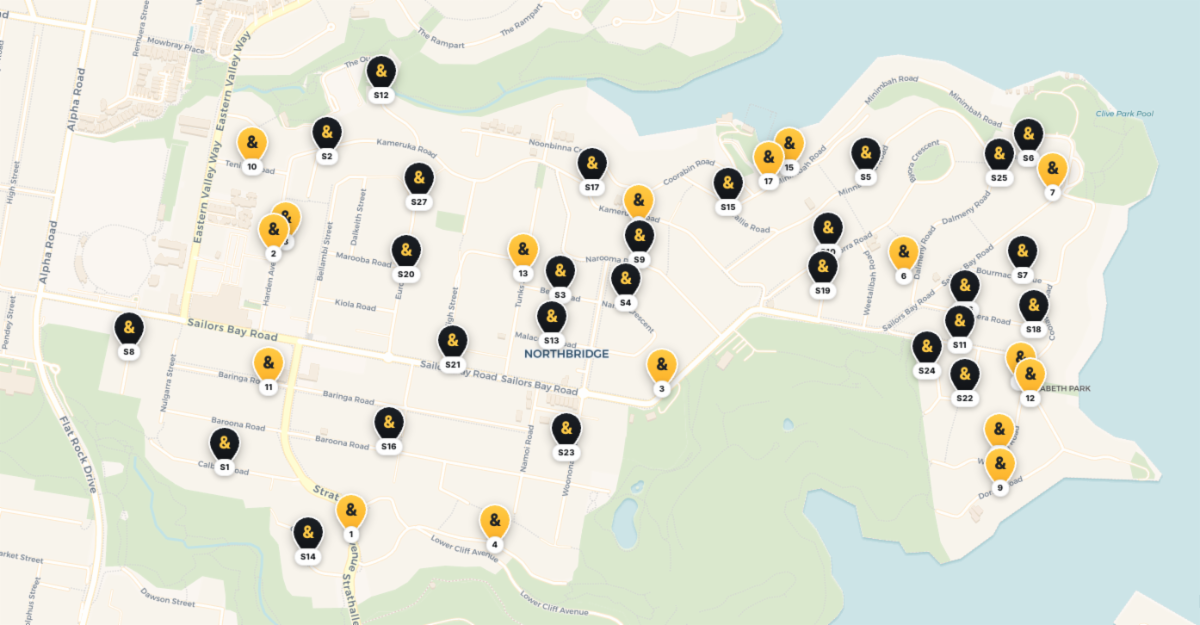 → Click to Explore the Interactive Map |
|||||||||||||||||||||||||||||||||||||||||||||||||||||||||||||||||||||||||||||
|
|||||||||||||||||||||||||||||||||||||||||||||||||||||||||||||||||||||||||||||

Lower North Shore
140 Sailors Bay Road, Northbridge NSW 2063
The Monday Newsletter · Real Insight Weekly
© Raine & Horne Lower North Shore. You are receiving this because you have previously been in touch with our office about Lower North Shore property. |
|||||||||||||||||||||||||||||||||||||||||||||||||||||||||||||||||||||||||||||