|
|||||||||||||||
|
This Week
The Wealth-Building Playbook Has ChangedWhat the 2026 capital gains tax and negative-gearing reforms mean for property investors — and where the noise is louder than the substance. |
|||||||||||||||
| For twenty-five years, the arithmetic of Australian property investment barely moved. Buy, hold for more than a year, deduct your losses against your income along the way, and halve your capital gain when you sell. That framework shaped how a generation built wealth. In 2026 it was rewritten — and for the first time in a long time, the tax outcome depends heavily on what you buy. | |||||||||||||||
| The Treasury Laws Amendment (Tax Reform No. 1) Act 2026 received Royal Assent on 26 June 2026. Two of the levers investors have leaned on for decades — the 50% capital gains tax discount and negative gearing — have changed. Here is what changed, who it touches, and the parts worth reading twice. | |||||||||||||||
|
“For the first time in a long time, the tax outcome depends heavily on what you buy.”
|
|||||||||||||||
|
The Two Changes That Matter
What actually changed on 26 June 2026
|
|||||||||||||||
|
|||||||||||||||
|
|||||||||||||||
| Both changes push in the same direction, and both leave one category untouched. | |||||||||||||||
|
|||||||||||||||
|
Why New-Build Property Now Stands on Its Own
The one category left untouched
|
|||||||||||||||
| Eligible new-build residential property is carved out of both reforms. An investor in a qualifying new build keeps negative gearing, so annual losses remain deductible against all income; and keeps a choice at sale, electing either the old 50% discount or the new indexation method — whichever produces the lower tax bill. No other asset class gets that choice. | |||||||||||||||
|
The 23.5% figure is simply the top 47% marginal rate (including the Medicare levy) applied to half a gain under the 50% discount.
|
|||||||||||||||
|
“New-build residential property is the only mainstream asset that keeps both the annual tax shield and the concessional exit.”
|
|||||||||||||||
|
Before Anyone Gets Carried Away
This is the part the headlines skip
|
|||||||||||||||
|
|||||||||||||||
|
The Bottom Line
|
|||||||||||||||
|
David’s Take
The reform does not end property investment — it sharpens it. It rewards new supply, which is the stated policy intent, and it strips two long-standing advantages from established investment stock bought from mid-2026 onward.
If you already hold, your position is protected. If you are buying to invest, the after-tax case for a qualifying new build is now materially stronger than for anything else on the shelf — provided the asset underneath stands up on its own merits.
That final clause still does the heavy lifting. The playbook changed. The discipline behind a good purchase did not.
|
|||||||||||||||
|
Sources: ATO — Reforming negative gearing and capital gains tax. Treasury, Budget 2026–27 (Tax reform). Treasury Laws Amendment (Tax Reform No. 1) Act 2026, Royal Assent 26 June 2026. Figures are general in nature; confirm your position with a qualified accountant.
|
|||||||||||||||
|
Explore The Area
Northbridge Interactive Map
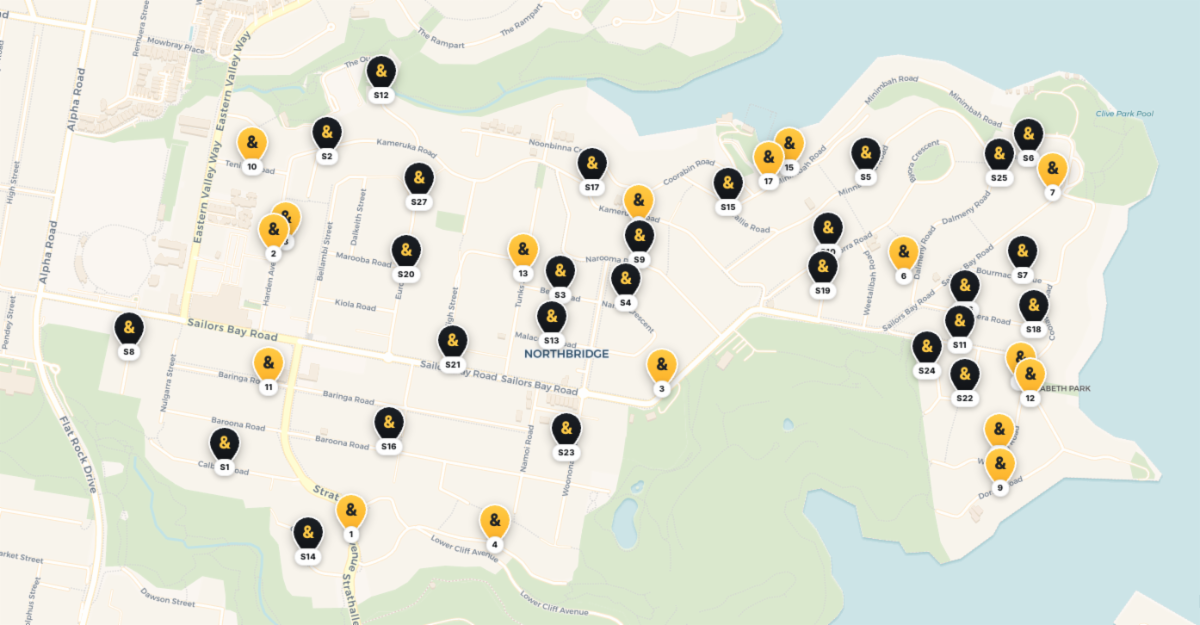
→ Click to Explore the Interactive Map
|
|||||||||||||||
|
|||||||||||||||

Lower North Shore
140 Sailors Bay Road, Northbridge NSW 2063
Lower North Shore Playbooks · General information only. This newsletter does not constitute financial, tax or legal advice. Please seek independent professional advice before acting on any information contained herein.
© Raine & Horne Lower North Shore. You are receiving this because you have previously been in touch with our office about Lower North Shore property. |
|||||||||||||||